
Are we failing children with Dyslexia? A recent article in Dublin People highlighted Senator Lorraine Clifford-Lee’s call for a major expansion of reading schools and specialist reading classes across Ireland. She spoke about the reality many families already know too well, demand far outweighs availability, access criteria are extremely narrow, and early intervention is not happening quickly enough.
Only four dedicated reading schools operate nationally in Ireland. To qualify for a reading class, a child must be at least eight years old and score in the 1st or 2nd percentile for literacy. Despite the growing demand, that means many children struggle for years before they are eligible for intensive support.
As a qualified teacher since 1993, with a Diploma in Reading Intervention and a Master’s degree that included focused study on literacy development, I can say clearly that waiting until a child is at the very bottom percentile is too late.
The Real Cost of Delayed Intervention
When a child has severe dyslexic traits, it is not simply about slow reading. It affects:
• Spelling
• Writing fluency
• Working memory
• Confidence
• Emotional well-being
• Engagement with school
By the time a child reaches the 1st or 2nd percentile, they have often experienced repeated failure. They may already believe they are “bad at school.” That belief can be harder to repair than the reading difficulty itself. Continued negative self-talk becomes their reality, so they often give up trying.
The sad thing is that early identification and structured intervention should not be seen as optional extras. They are essential.
Why Mainstream Supports Often Are Not Enough
Mainstream schools do extraordinary work with limited resources. However, children with severe dyslexia need so much more than what is available in a standard classroom. They need:
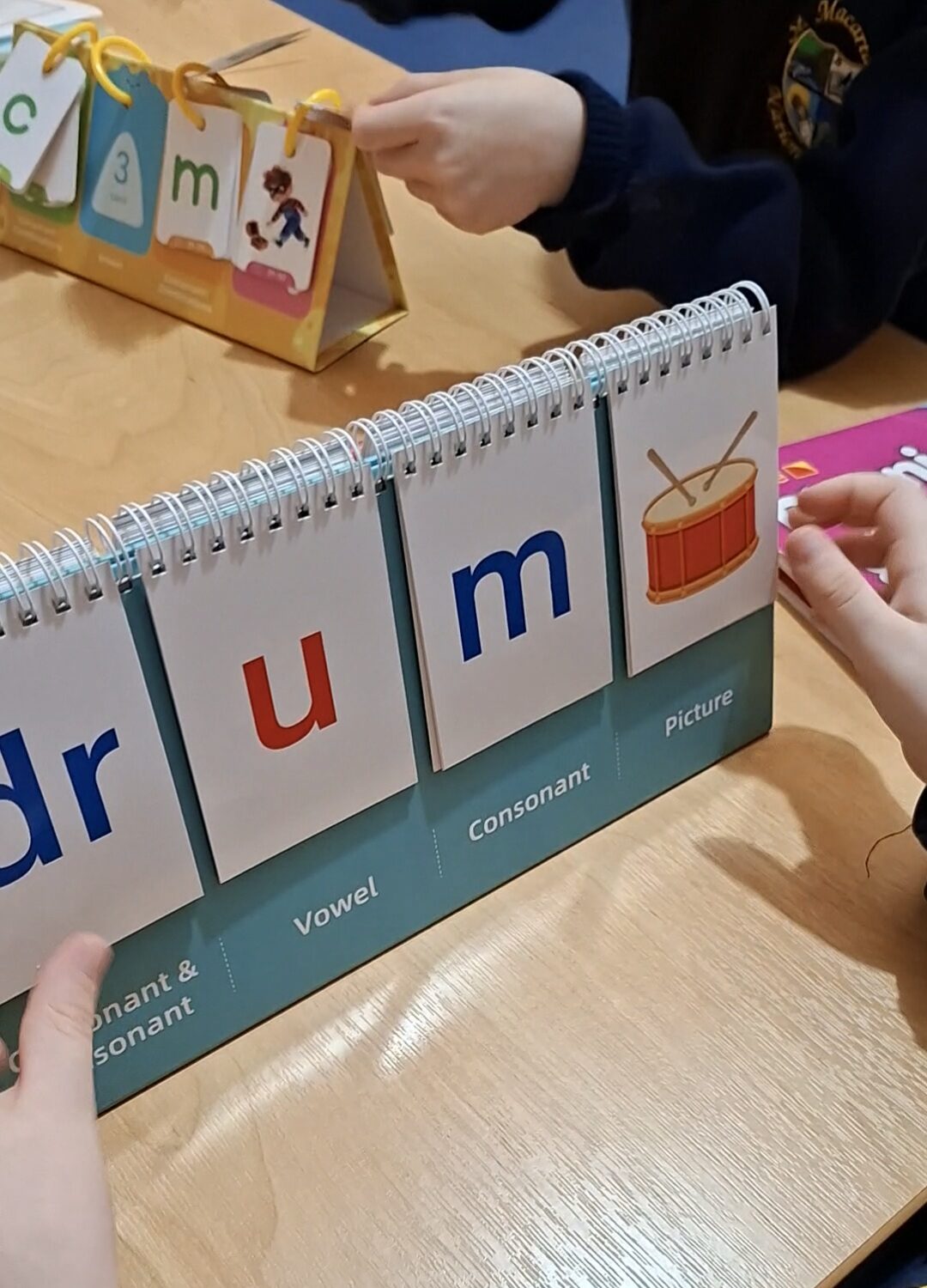
• Explicit, systematic phonics instruction
• Structured literacy approaches
• Repetition and overlearning
• Small group or one-to-one support
• Progress monitoring
• Specialist understanding of literacy development
Many schools withdraw children from the classroom for an hour per week to offer additional generic support. Unfortunately, this is rarely enough. Structured literacy intervention must be cumulative, diagnostic, and responsive. It must build from sound awareness through decoding, spelling, morphology, fluency, and comprehension.
Most importantly, it must be taught in a way that makes sense to the individual child.

What Early, Effective Support Looks Like
At Emerald Education, this is exactly where we focus our energy.
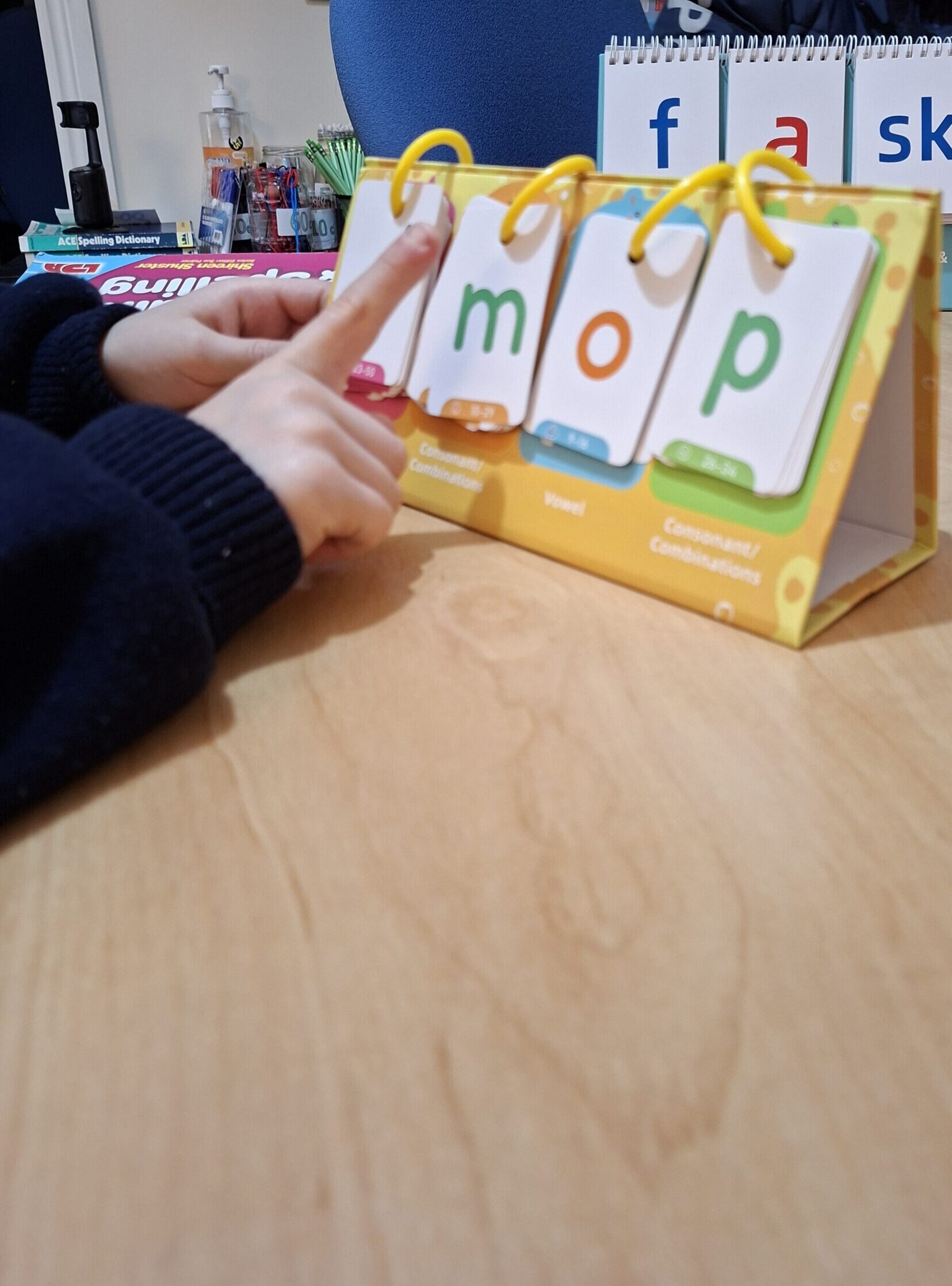
Why wait for a child to fall to the lowest percentile? We screen early and look for patterns. It is possible to identify gaps and give children the support they deserve. At Emerald Education, we find gaps and then work systematically to close them. Because of my training in reading intervention and literacy development, I approach dyslexia support with both practical and research-based understanding. That means:
• Explicit phonological awareness work
• Structured phonics teaching
• Morphology and spelling pattern instruction
• Multi-sensory learning
• Confidence-building alongside skill-building
• Careful progress tracking
We also educate parents. When families understand what dyslexia is, and what it is not, everything shifts. Children do not need to be labelled as failing before they receive support.
Confidence Matters Just as Much as Literacy
One of the most heartbreaking things I hear from parents is “They used to love school.”
Dyslexia does not remove intelligence. In fact, many dyslexic children are highly creative, verbally strong, and brilliant problem-solvers. But without the right support, they begin to disengage. When intervention is done properly, something powerful happens.
Reading becomes possible.
Spelling improves.
Writing becomes less overwhelming.
Confidence returns.
And when confidence returns, everything else becomes easier.

What Needs to Happen Nationally
The Senator is right. We need:
• Expansion of reading classes
• Earlier identification pathways
• More specialist training for teachers
• Clear national provision
• Certainty for families
But while policy discussions continue, children are growing up now. They cannot wait for reports to be finalised. That is why private specialist support has become a lifeline for many families.
We Can Be Proactive
The conversation should not begin when a child is eight and in the 1st percentile.
It should begin when:
• A child avoids reading
• Spelling is unusually inconsistent
• Letter sounds are not secure
• Reading is effortful and slow
• Confidence drops
Early intervention changes trajectories. I have seen children close year-long reading gaps in months. I have seen children who believed they were incapable become independent readers. It is possible, but it requires structured, intentional support.
What must we do?
We are not failing children because teachers do not care. We are failing them because the provision is not yet wide enough or early enough.
Until national systems expand, we must continue to support children proactively, compassionately, and expertly. If you are worried about your child’s reading, do not wait for them to fall further behind. Support early. Intervene clearly. Build confidence deliberately – because every child deserves to feel capable.
If you would like to know more about how we help children fill gaps in learning and how we can help your child, message me or email elaine@emeraldeducationcentrebundoran.com.