
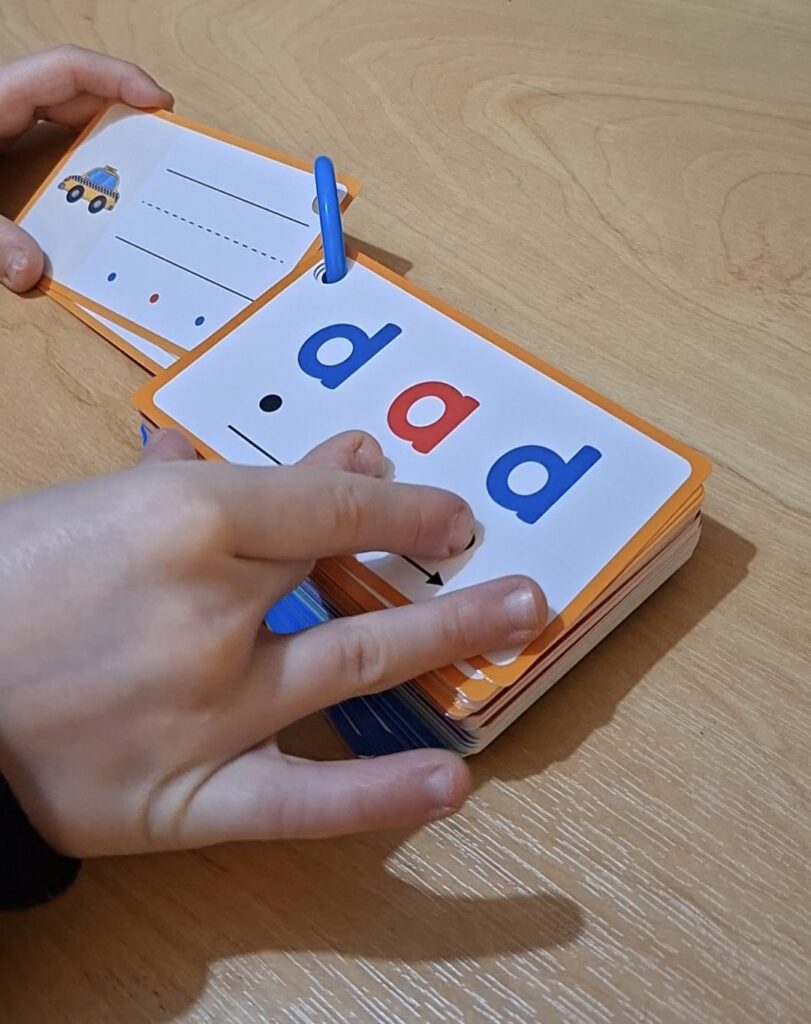
When parents think about reading difficulties, they often picture a child who can’t read the words on the page. But what if your child can read the words… and still struggles to understand what they’ve just read? Could hidden phonics gaps be the real reason your child struggles with comprehension?
This is something I see regularly. A child may appear to be reading quite well, yet they are reading so slowly and using so much mental effort to decode each word that there’s very little brainpower left to think about what the text actually means.
It all starts with phonemic awareness.
What is phonemic awareness?
Phonemic awareness is the ability to hear, identify and manipulate the individual sounds in spoken words. It’s one of the most important building blocks for learning to read. Some hidden phonics gaps begin right here because children cannot recognise the different sounds within words. Before a child can confidently read the word ship, they need to recognise that it is made up of three sounds, /sh/, /i/, /p/.
Children who don’t fully develop these skills often learn to cope by guessing words, relying on pictures, memorising familiar books, or using context to fill in the gaps. These strategies can hide the problem for quite a while.
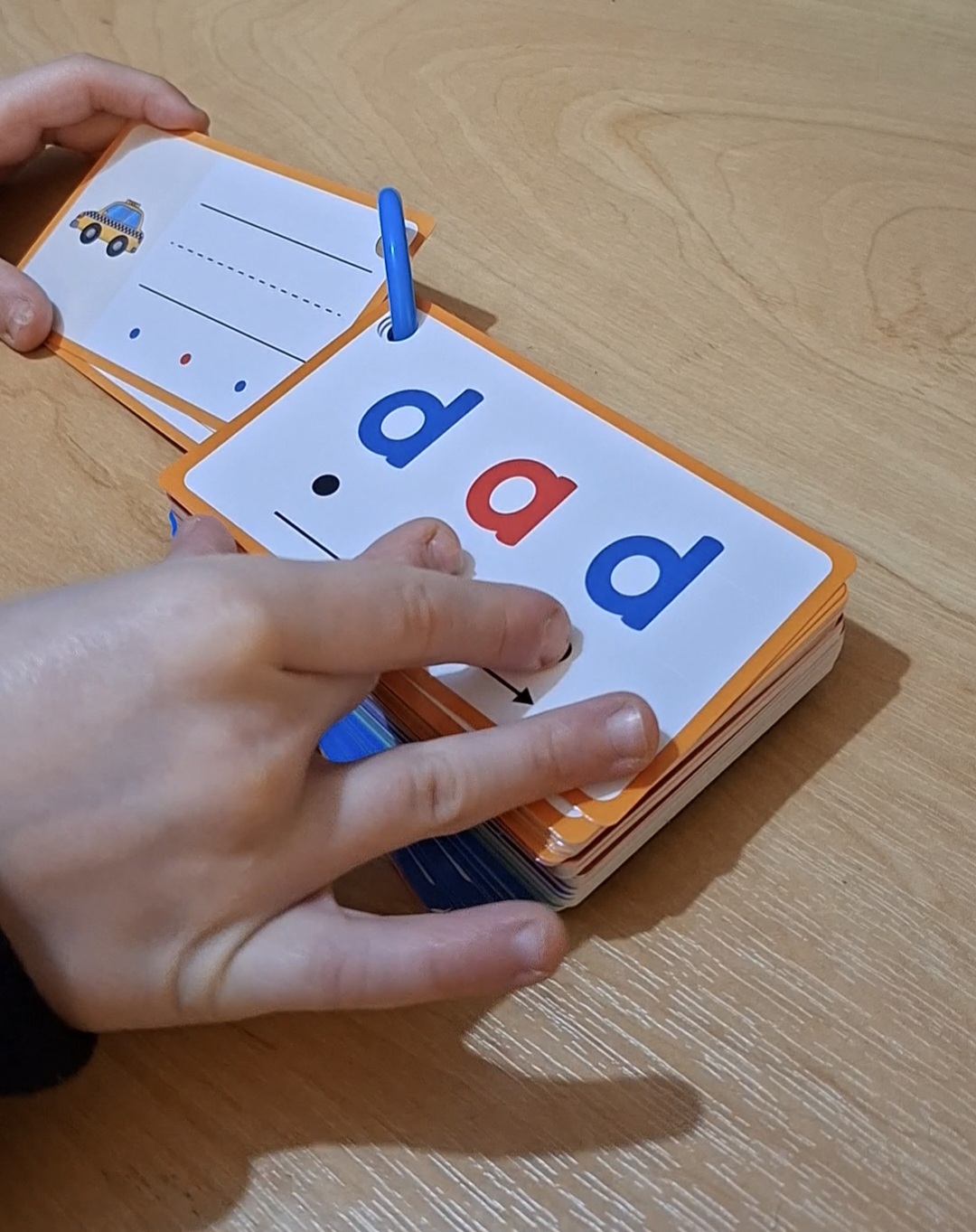
The cracks often appear later with hidden phonics gaps
In the early years, books contain short sentences and familiar words. As children move through primary school, everything changes. Words become longer. Sentences become more complex. Vocabulary becomes more challenging. Children are expected to read not just in English, but across every subject. Suddenly, reading isn’t just about recognising words. It’s about understanding instructions, solving maths problems, learning science, answering history questions and preparing for exams. That’s when hidden phonics gaps often become much more obvious.
Reading becomes hard work
Imagine trying to read every word as though it were a puzzle. That’s exhausting. When so much effort goes into decoding each word, reading speed slows down. The brain has limited working memory. If most of it is being used to work out the words because of hidden phonics gaps, there’s very little left for understanding, making connections, remembering information or answering questions.
Parents often say things like:
“He can read the page, but when I ask what happened, he hasn’t a clue.”
Or:
“She reads really slowly and loses her place all the time.”
These are often signs that reading has not yet become automatic.
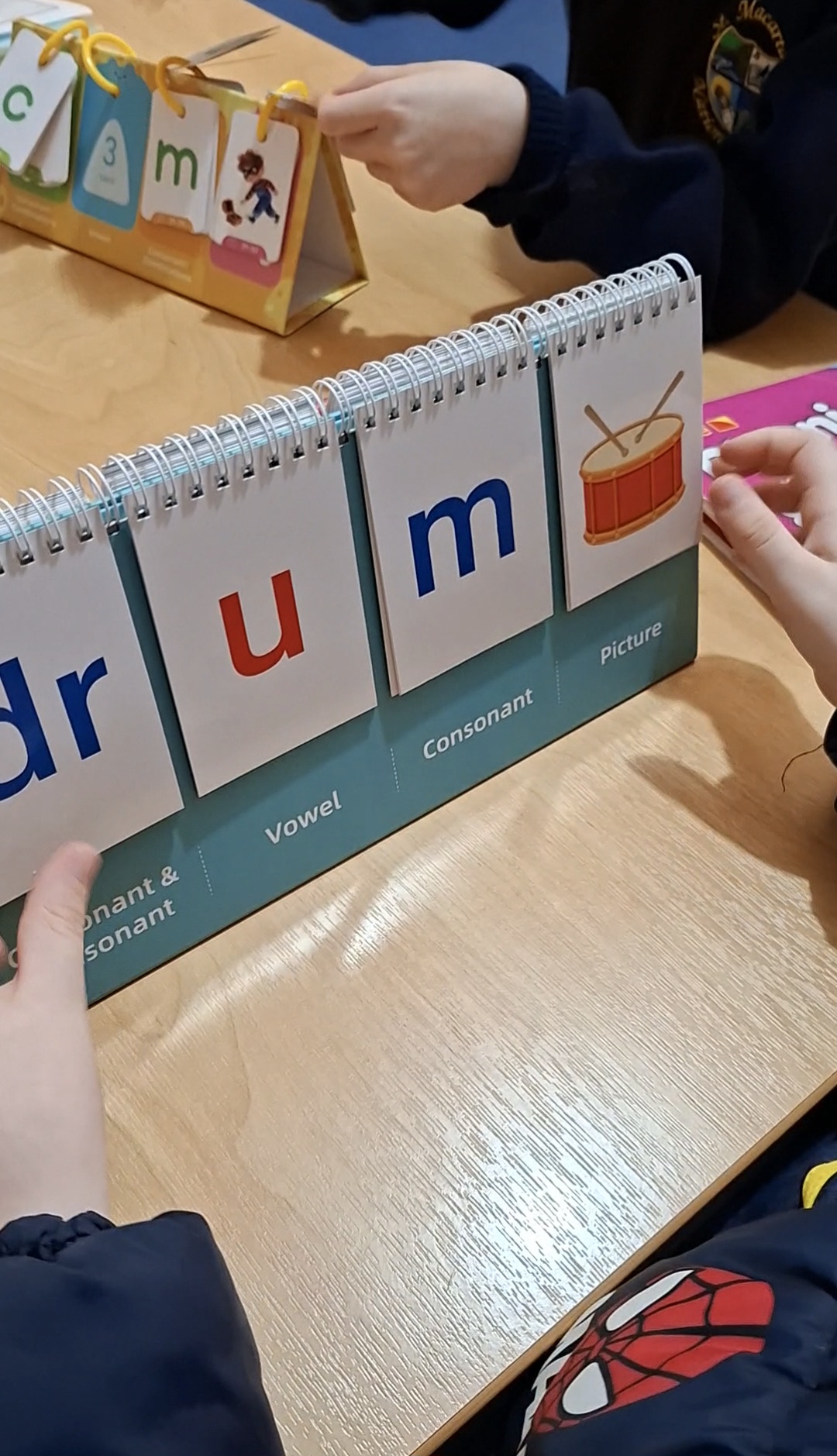
Hidden phonics gaps don’t just affect English
Weak decoding skills can impact almost every subject.
Children may struggle to:
- understand maths word problems,
- follow written instructions,
- learn new vocabulary,
- complete homework independently,
- keep up with classroom reading,
- revise effectively for tests and exams.
Over time, confidence can suffer too. Many children begin to believe they’re “not clever”, when in reality they’ve simply been working much harder than everyone else because of hidden phonics gaps.
The good news
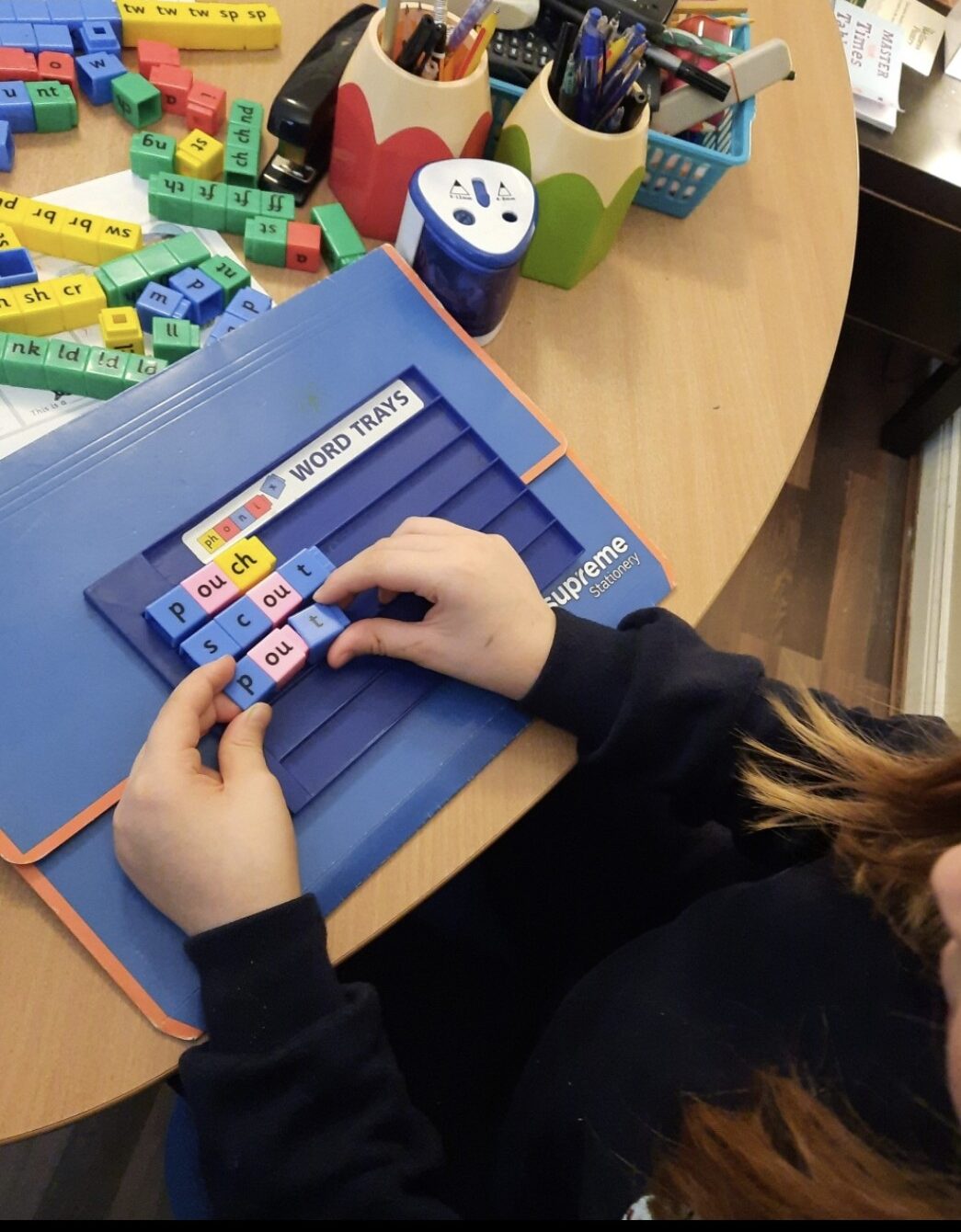
The brain can continue developing these skills long after children leave infant classes. I’ve worked with children in third class, sixth class, first year and even teenagers who still had underlying phonics gaps (primary school and into secondary school, for those not in Ireland!). Once we identify the missing pieces and teach them explicitly, reading often becomes smoother, faster and much less tiring. As reading becomes more automatic, comprehension usually improves too, because the brain is finally free to focus on meaning instead of decoding every word.
Don’t wait for them to “grow out of it”
If your child avoids reading, reads very slowly, struggles to remember what they’ve read, or finds comprehension difficult despite trying hard, it’s worth investigating whether phonics or phonemic awareness could be part of the picture. Sometimes the biggest improvements don’t come from practising comprehension questions. They come from strengthening the foundations that reading was built on in the first place.
At Emerald Education Centre, I assess children carefully to identify exactly where those hidden phonics gaps are. From there, every lesson is tailored to build the skills they need, helping reading become easier, confidence grow, and learning across every subject improve. Get in touch for a chat about how we can help. And if you are worried about possible Dyslexia traits, check out my ‘Understanding Dyslexia: A Guide for Parents’ blog post.
Sometimes the problem isn’t comprehension at all.
Sometimes it’s the foundations underneath it.