
You might have asked yourself the question “
Why Does My Child Still Struggle With Times Tables?”
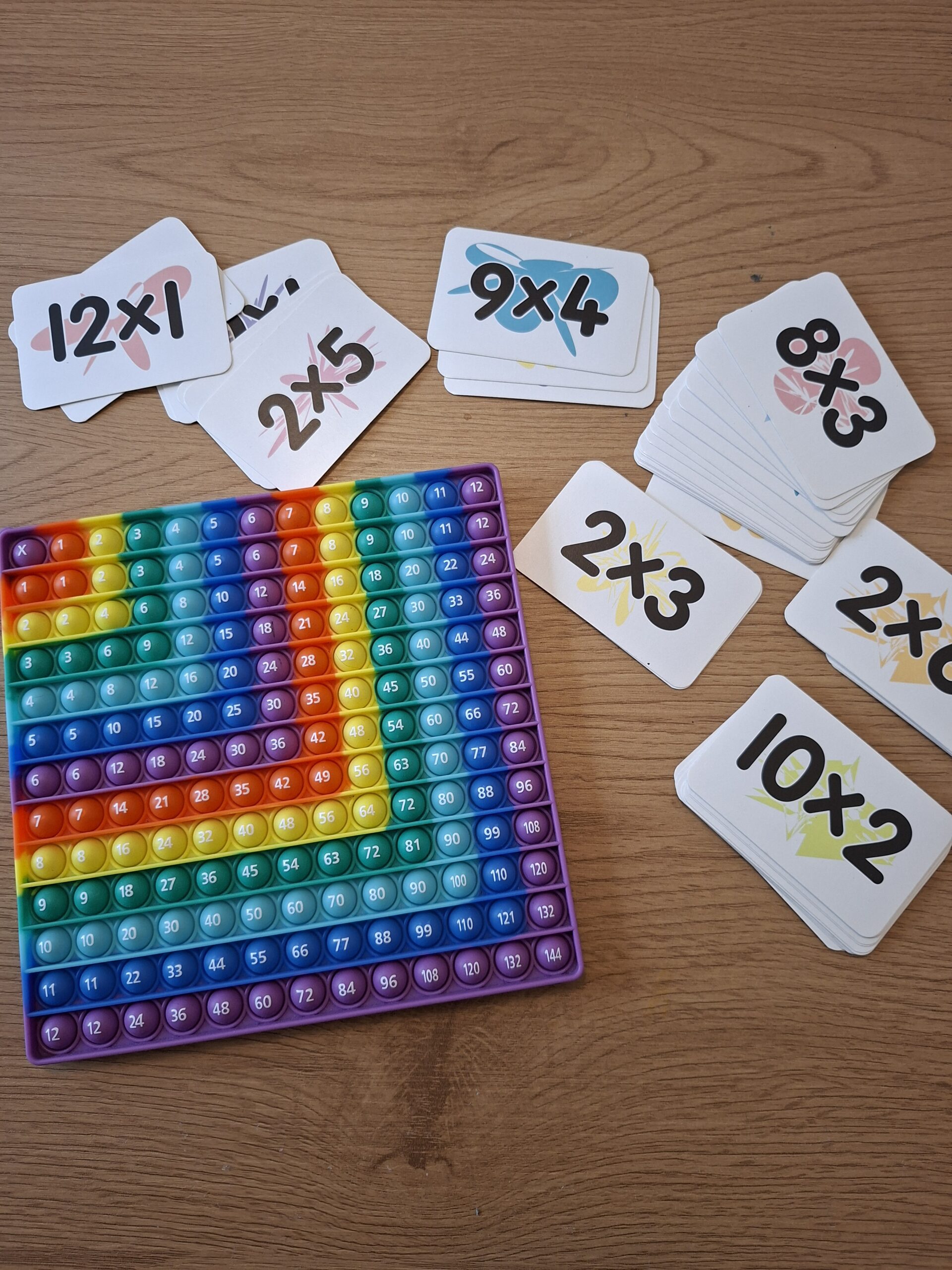
“We’ve practised them every night.”
“They knew them last week.”
“They just seem to forget them.”
These are conversations I have with parents all the time.
It can be frustrating when you’ve spent so much time practising at home, yet your child still has to stop and think about simple multiplication facts.
Many parents assume the answer is more practice. Sometimes it is. But quite often, the problem isn’t the amount of practice, it’s the type of practice.
Learning times tables is about much more than memorising answers.
What Is Multiplication Fluency?
Multiplication fluency means your child can:
• Recall multiplication facts confidently.
• Work out unfamiliar facts using facts they already know.
• Explain how they reached an answer.
• Apply multiplication when solving other maths problems.
In other words, fluency isn’t simply about answering quickly.
It’s about understanding how multiplication works.
A child who understands that 6 × 4 means six groups of four is far more likely to remember that the answer is 24 than a child who has simply repeated it over and over.
When children understand why an answer is correct, they are much more likely to remember it, and they can use that understanding to solve other problems too.
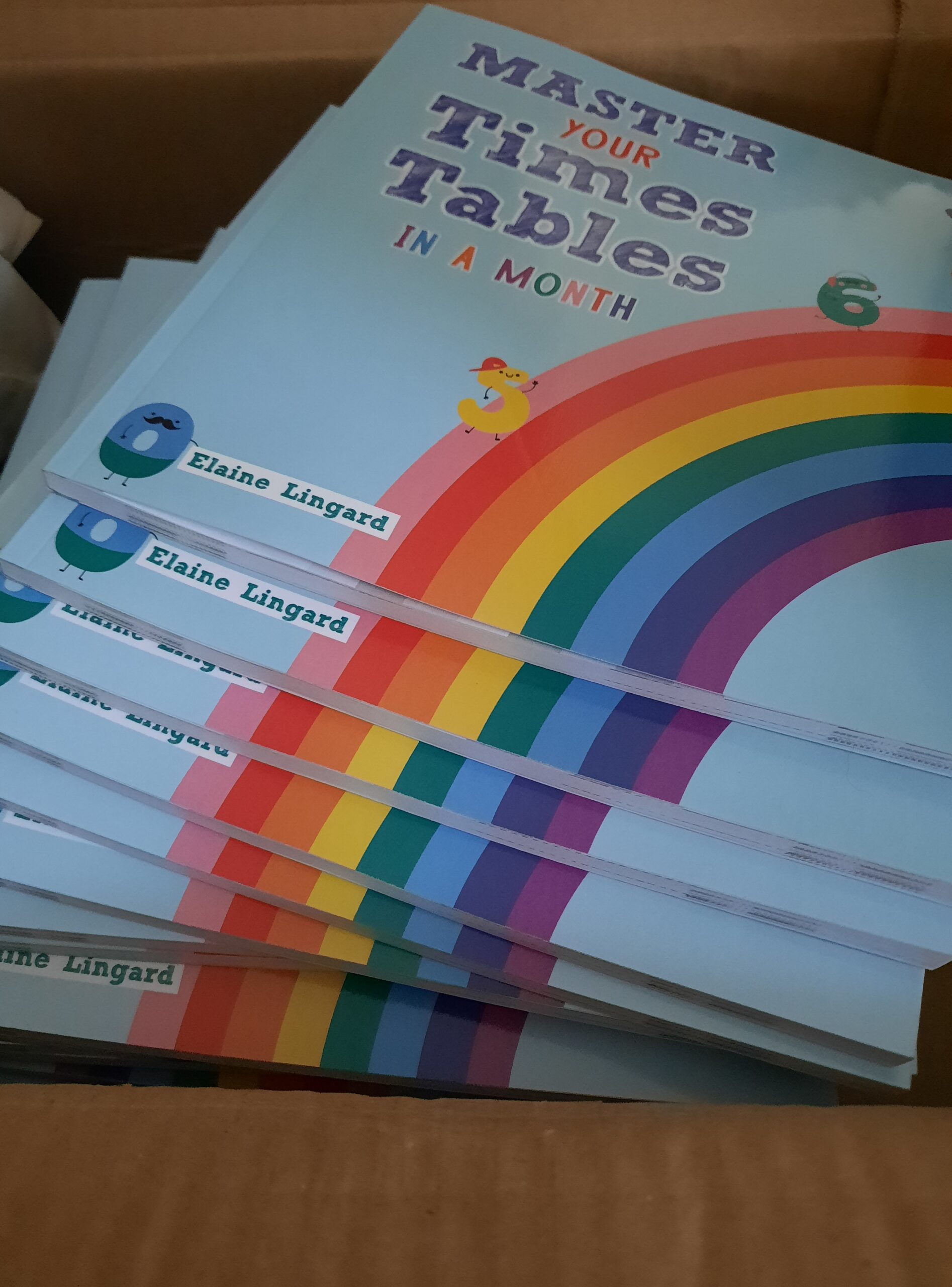
Why Do Children Struggle With Times Tables?
For many of us, learning times tables meant chanting them repeatedly until they stuck.
Practice is important. Repetition certainly has its place.
But repetition on its own isn’t always enough.
Children also need opportunities to:
• Spot number patterns.
• Understand how multiplication works.
• Use practical resources.
• Talk through their thinking.
• Apply multiplication in different situations.
Without this understanding, multiplication facts can feel like a list of unrelated numbers that simply have to be remembered.
That’s a big ask for many children.
How Can You Help at Home?
You don’t need to spend hours every evening with worksheets.
In fact, five or ten minutes of focused practice each day is usually much more effective than one long session at the weekend.
Play games together. Look for patterns. Ask your child to explain how they worked something out. Celebrate progress rather than expecting perfection.
One of the biggest misconceptions about times tables is that children need to memorise 144 facts.
They don’t.
Once children understand patterns, commutative law (that 3 × 7 is the same as 7 × 3) and a few simple strategies, the number of facts they actually need to learn becomes much smaller.
Children who know one multiplication fact can often work out several others. That’s real fluency that will stop the struggle with times tables.
Learning That Makes Sense
Over the years, I’ve found that children make the greatest progress when multiplication is taught in a way that makes sense to them.
That’s exactly why I wrote Master Your Times Tables in a Month.
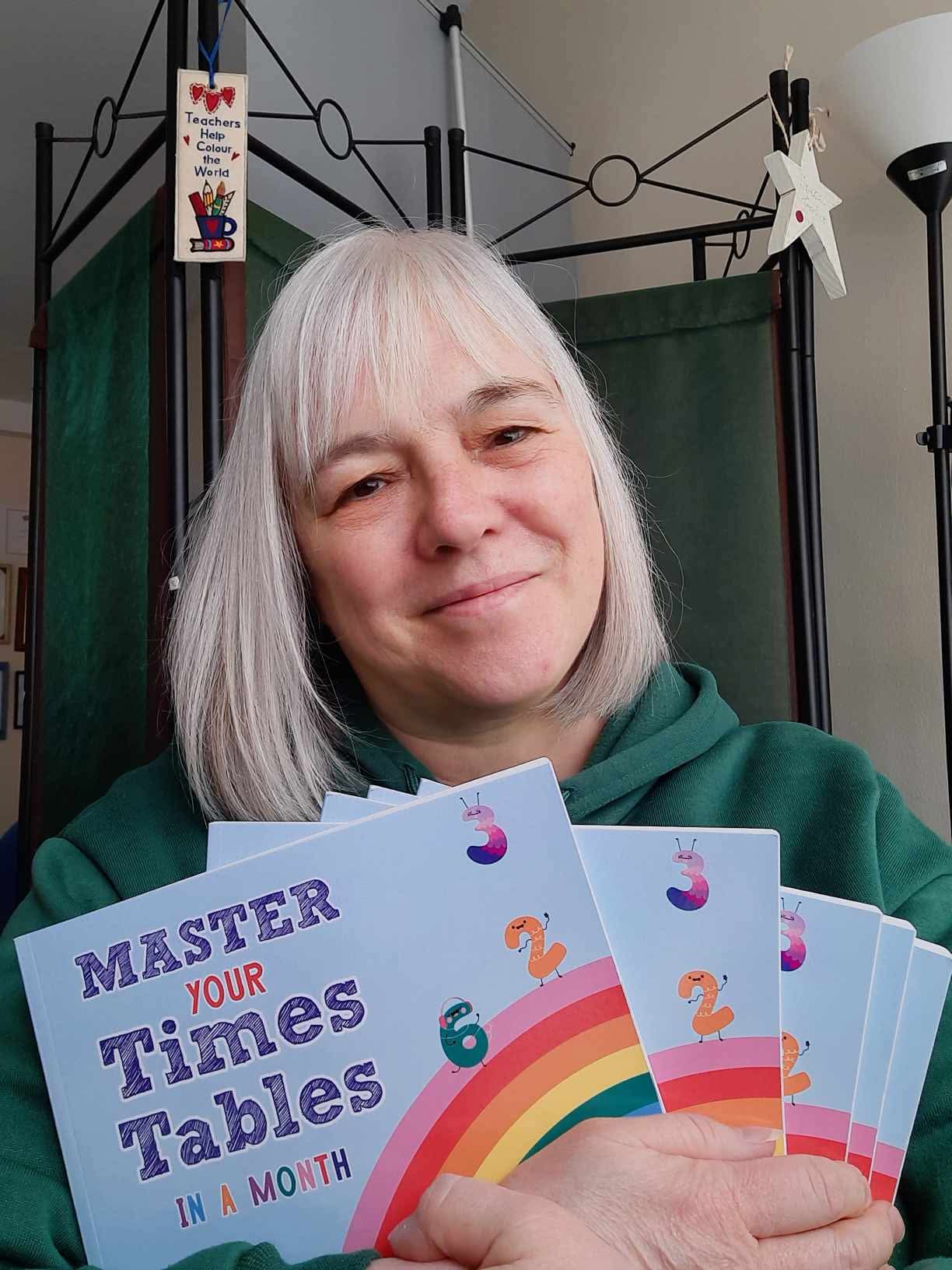
Rather than expecting children to memorise page after page of facts, the book breaks multiplication down into manageable chunks. It helps children spot patterns, understand how numbers relate to one another and build confidence step by step. Here’s what one parent said about the book:

For families who would like a little more support, my online course, Master Your Multiplication Tables in a Month, guides children through the same approach using short video lessons, games, activities and practical strategies that make learning enjoyable as well as effective.
The aim isn’t simply to remember times tables.
It’s to understand them.
You can have fun playing games while learing the times tables. Why not download my Monsters Times Tables game here? You will also be able to find out more about my times tables course there, too.

Building Confidence That Lasts
If your child finds times tables difficult, it doesn’t mean they aren’t good at maths.
More often, it means they need an approach that helps multiplication make sense.
After more than 30 years of teaching, I’ve seen children who believed they would never learn their times tables become confident mathematicians once they understood the patterns behind the numbers.
When understanding comes first, fluency follows.
And once multiplication becomes secure, many other areas of maths become easier too, including division, fractions, percentages, algebra and problem solving.
Whether your child learns through my book, my online course, a summer class or weekly tuition, my goal is always the same, to help children understand maths, enjoy learning and believe in their own ability.
Because confidence in maths doesn’t begin with memorising facts.
It begins when children realise they are capable of working them out.