
“But they’ve already done this!”
I hear this quite a lot.
A child has covered fractions in school. They have learned their spellings. They have studied that Science topic. They have gone over the Geography definitions.
So why would they need to do it AGAIN?
Well, let me ask you something.
Have you ever been introduced to someone, had a lovely conversation with them and then, five minutes later, completely forgotten their name? You definitely heard it. You probably even repeated it. But it didn’t stick.
Learning can be a little bit like that.
Just because a child has been TAUGHT something does not necessarily mean they have LEARNED it well enough to remember it, use it and apply it later.
And that is where fluency comes in.
What do we actually mean by fluency?
When we talk about fluency, people often think about reading. We might describe a child as a fluent reader because they can read smoothly, accurately and without having to stop and sound out every second word. But fluency is important in EVERY subject. Think about times tables. A child could work out 7 × 8 by counting in sevens. That shows some understanding. But when they know immediately that 7 × 8 = 56, they have reached a much greater level of fluency.
Why does that matter?
Because their brain is then free to concentrate on the harder part of the Maths problem instead of using all its energy trying to work out a multiplication fact. And exactly the same principle applies elsewhere.
It is NOT just a Maths thing
Let’s imagine your child is writing an English essay. If they have to stop and think about how to spell every other word, remember what a simile is AND work out how to structure a paragraph, that is an enormous amount for their brain to deal with at once. But if spelling, punctuation and basic literary terminology are already secure, they can concentrate on their ideas.
In Geography, a student may understand coastal erosion perfectly well when the teacher explains it. But can they explain it themselves three days later? Can they remember the vocabulary? Can they use that knowledge to answer an exam question?
In Science, they may have understood photosynthesis in class. But can they recall the equation without their notes? Can they explain WHY each part is needed? Can they use that information when the question is worded in a completely different way?
That is the difference between recognising something and REALLY knowing it.
“But I knew it yesterday!”
This can be incredibly frustrating for children.
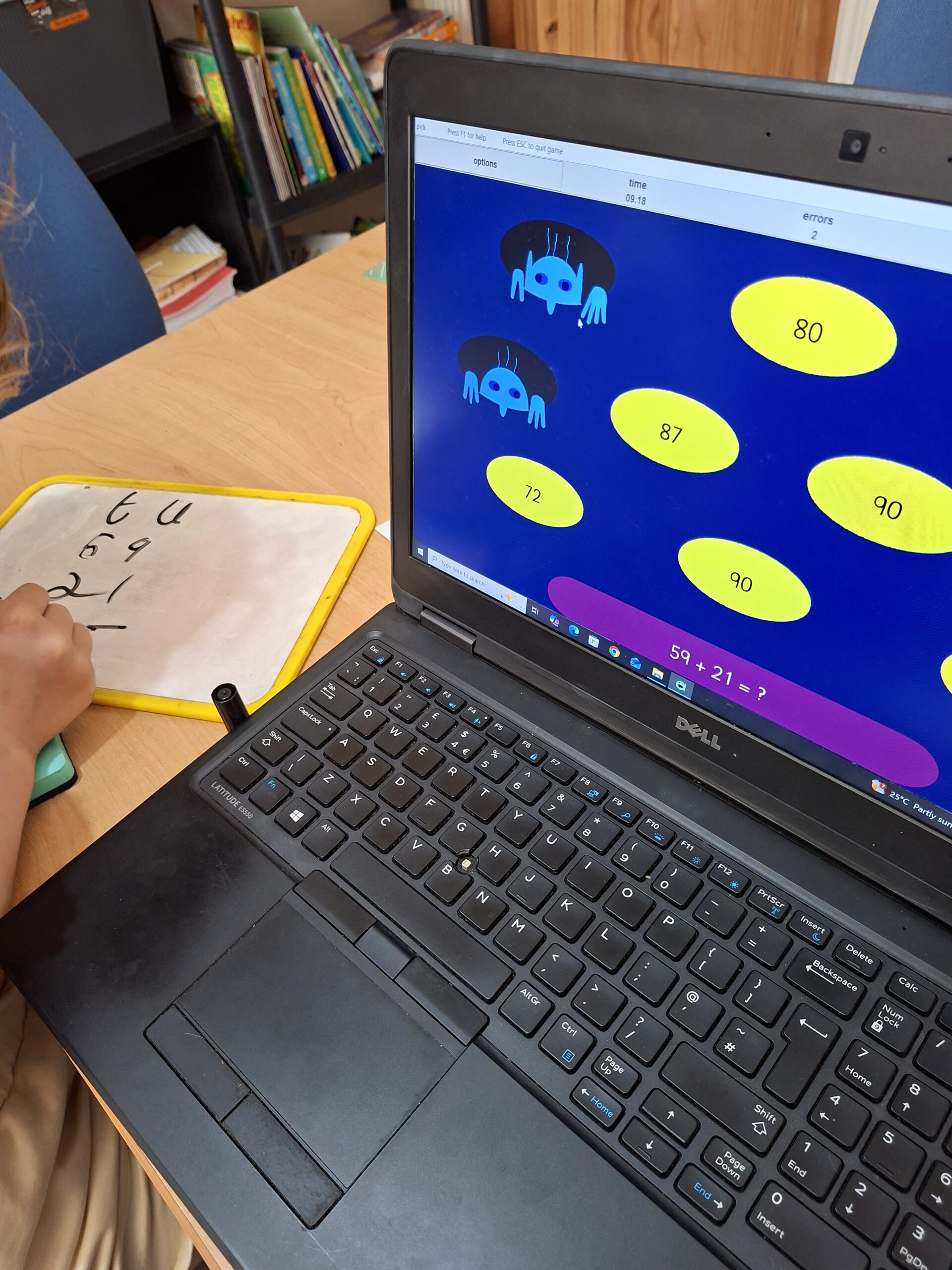
They answer something correctly one day and then cannot remember it the next.
And you might be tempted to say:
“But you KNOW this!”
Well… yes and no.
They knew it at that moment.
But the learning may not yet be secure enough for them to retrieve it whenever they need it. This is completely normal. Think about learning to drive. At the beginning, you have to THINK about everything. Clutch. Mirror. Gear. Signal. Brake. And sometimes you feel as though there are about 47 different things happening at once! After you have been driving for years, you do many of those things automatically. You have practised them so often that they no longer take the same amount of mental effort.
That is fluency.
And children need opportunities to build it too.
So does this mean doing the same worksheet over and over?
Absolutely NOT.
Repetition does not have to mean sitting your child down with the same sheet of twenty questions every night until everyone in the house loses the will to live! There are lots of ways to revisit learning. You can ask a few questions in the car. Use mini whiteboards. Play a quick game. Ask your child to explain something to YOU. Give them a blank piece of paper and ask them to write down everything they remember about a topic. Use flashcards AFTER the initial learning has taken place. Ask three questions today and the same three questions again later in the week.
And it does not need to take long.
In fact, ten focused minutes can be incredibly useful.
Try this at home
Pick something your child has learned recently. It could be five spellings. Five multiplication facts. Three Geography terms. A Science process. Three quotations from a play. A History timeline. Anything at all. Go over it today. Then leave it. Tomorrow, ask them what they can remember WITHOUT showing them the answers first.
Go back to it a few days later.
Then again the following week.
You may be surprised by what happens. At first there might be lots of pauses. Then fewer pauses. Then the answers begin to come more quickly. Eventually your child may look at you as if to say:
“Why do you keep asking me this? I KNOW it!”
Brilliant!
THAT is what we want.
Going backwards can actually help children move forwards
Sometimes children are reluctant to revisit previous work because they think it means they are behind. Teenagers can be particularly guilty of this. “We did that last year.”
“Yes. You did.”
But can you still do it NOW?
That is the important question. At Emerald Education, I regularly go back over previous learning with students. Not because I want them stuck doing old work forever. Quite the opposite. I want the foundations to be strong enough for us to move forward. There is very little point trying to teach complicated algebra to a student who is still struggling with negative numbers. And there is little point asking a child to analyse a complicated piece of writing if decoding the words on the page is taking all their concentration.
Sometimes the quickest way forward is actually to go back and strengthen something first.
And what about when they are tired?
This is another important part of the picture. Children spend a LONG time in school. By the time they get home, especially as we move into the darker evenings, some children are simply tired.
So when they say:
“I can’t do it.”
They may actually mean:
“I can’t do this RIGHT NOW.”
There is a difference.
This is another reason I prefer short, regular opportunities to revisit learning rather than one huge study session. Five or ten minutes of effective recall can be far more useful than sitting staring at a book for an hour. And yes, sometimes the best thing you can do is stop, have something to eat, get outside for a little while and come back to it later.
Learning takes time
We seem to have become very focused on moving children on to the NEXT thing.
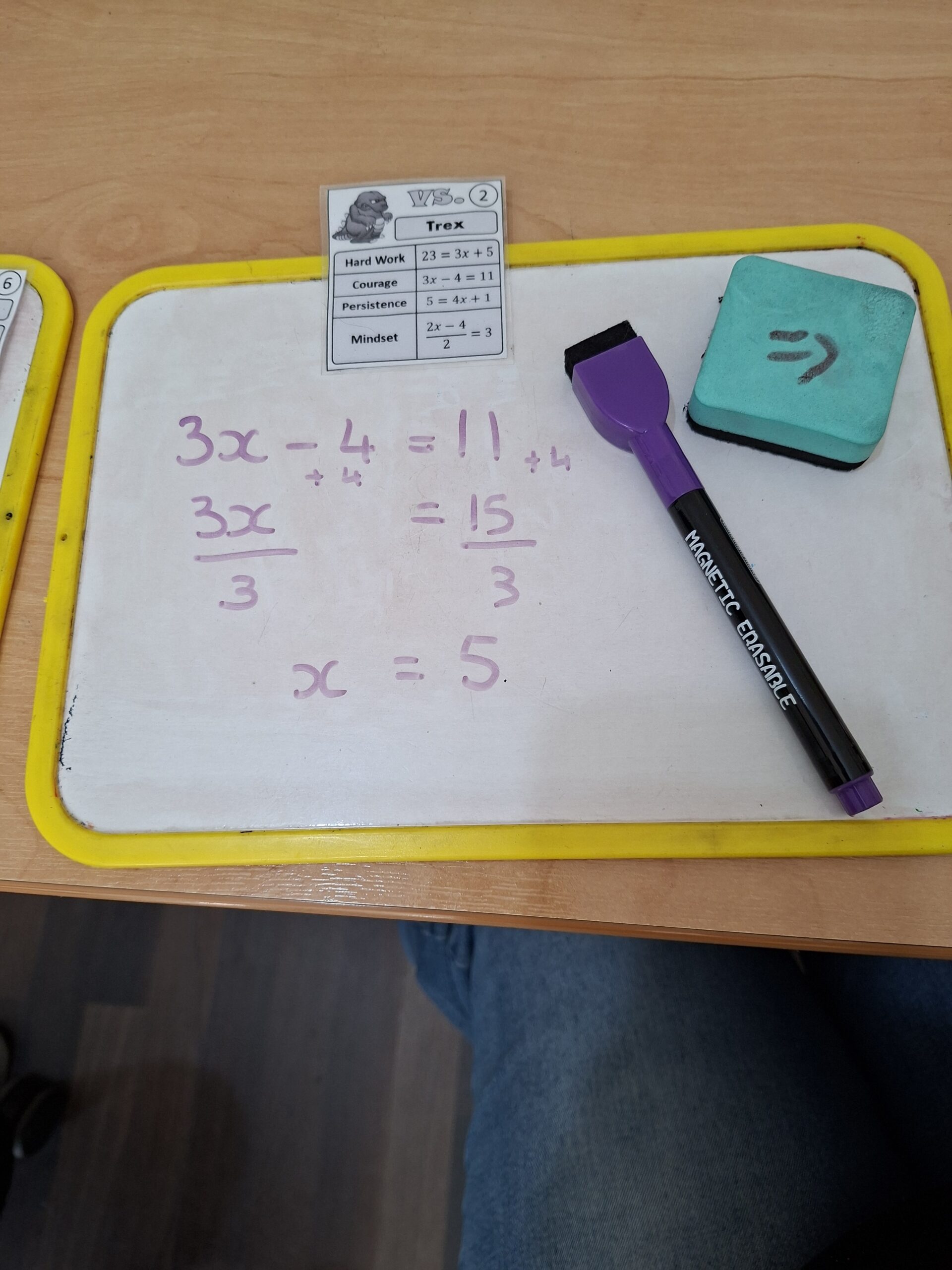
The next chapter.
The next spelling list.
The next Maths topic.
The next unit.
But learning is not a race through a textbook. Sometimes children need more time. Sometimes they need another explanation. Sometimes they need to see something in a different way. And sometimes they simply need to practise it enough times for it to become fluent.
So the next time your child says:
“I can’t do it.”
Try adding one little word.
YET.
Maybe they cannot do it fluently YET. Maybe they cannot remember it YET. Maybe they need to go over it one more time. And another time after that. Because real learning is not about getting something right once. It is about being able to find that knowledge again when you need it.
And THAT is why going over something again is never a waste of time.